
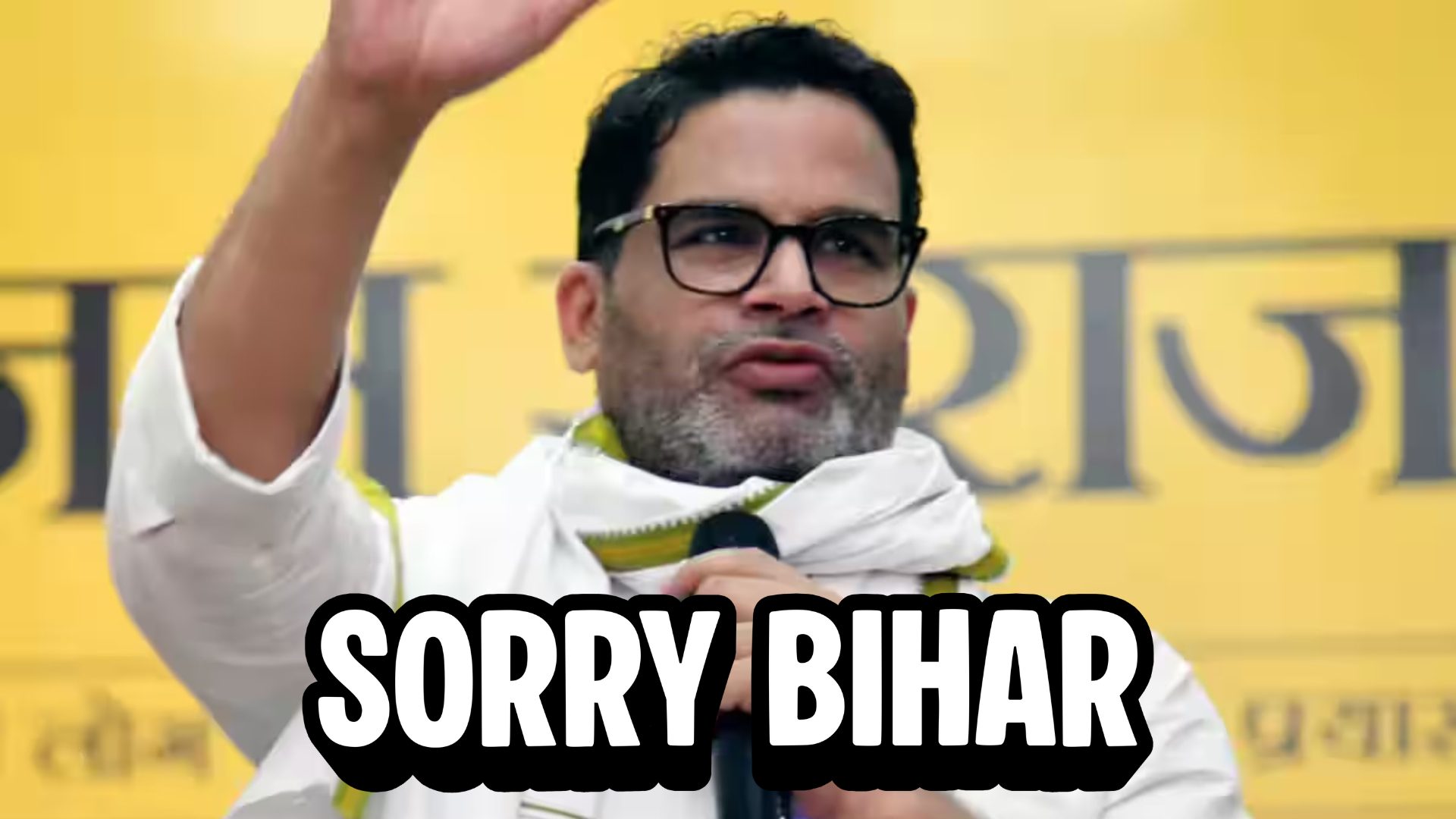
The recent political setback faced by Prashant Kishor (PK) in Bihar has triggered serious conversations on strategy, leadership, and the evolution of voter behaviour in India’s heartland. For someone widely regarded as the architect behind several successful national and state-level campaigns, PK’s own political foray not translating into electoral success offers a rare opportunity to decode what truly shapes electoral outcomes in Bihar. This is not a commentary on defeat—it is a study in political realities. 1. Charisma Is Not a Substitute for Cadre and Organisational Depth Indian politics—especially in states like Bihar—runs on organisational depth, not just messaging brilliance. PK’s Jan Suraaj movement achieved significant visibility through high-profile padyatras and media engagement, but visibility is not the same as a guaranteed vote-bank. Electoral success in Bihar hinges on an apparatus that translates positive public opinion into actual ballots on election day. Established parties like RJD, JD(U), BJP, and even smaller caste-based outfits have decades of entrenched grassroots networks: PK’s approach focused heavily on mass outreach rallies and an all-encompassing communication strategy. While this builds awareness, it cannot replace the meticulous, low-profile work of a booth-level machinery. Bihar’s political culture rewards relationships built over generations and loyalties cemented through reciprocal social and political support, not campaigns built over mere months, regardless of their polish. Lesson: Mass outreach rallies and a powerful brand message are insufficient. Sustained political success requires deep, micro-level operational strength to convert sentiment into votes. 2. Bihar Votes on Social Coalitions, Not Individual Narratives PK attempted to create a “new politics”—one that was issue-based, youth-centred, and development-oriented, moving beyond traditional identity politics. This approach appeals intellectually to the urban and educated classes. However, Bihar’s electoral psychology is historically and fundamentally shaped by identity clusters and social engineering: Yadavs, Kurmis, Koeris, Muslims, Paswans, Kushwahas, and Extremely Backward Classes (EBCs). These well-defined blocs do not shift their allegiance overnight based on a technocratic manifesto. While his message of governance appealed to groups frustrated with the status quo, it critically lacked penetration among the traditional caste anchors whose consolidation ultimately determines electoral margins. Established parties excel at identifying and mobilising these identity groups through established leaders who speak the cultural language of that particular segment. PK’s movement, being intentionally identity-neutral, failed to build an alternative social glue strong enough to displace the existing, deep-rooted identity fault lines. Lesson: Electoral engineering in Bihar requires either the dismantling or the successful reconfiguration of existing social coalitions; merely offering a technocratic or issue-based alternative will not suffice against entrenched identity politics. 3. Anti-Establishment Messaging Works Only When You Have a Loyal Base PK framed his campaign around the palpable dissatisfaction with traditional parties—focusing on systemic issues like corruption, chronic unemployment, and mass migration. While the grievance is real, anti-establishment politics, by its nature, requires a loyal constituency that is already disillusioned and trusts the new alternative implicitly. For example, the Aam Aadmi Party (AAP) succeeded in Delhi because there was a clear, widespread governance grievance (corruption, poor public services) and a large, aspirational middle-class mass that fundamentally trusted Arvind Kejriwal’s activist, anti-graft identity. In Bihar, despite genuine frustrations, voters often display a pragmatic caution. They view the established parties (RJD, JD(U), BJP) as “known entities”—they know what they will get, warts and all. PK’s platform, being an untested, fresh political vehicle, was viewed with skepticism, especially in rural areas. The anti-incumbency vote often consolidates behind the strongest, most familiar opposition, not necessarily the newest disruptor. The trust deficit for an outsider platform proved too wide to cross. Lesson: Outsider politics must first earn insider trust through an extended period of reliable local engagement before the electorate will commit to a disruptive new platform. 4. Bihar’s Politics Reward Consistency Over Disruption PK’s professional temperament is often described as mobile, experimental, and disruptive—qualities that make him a stellar political strategist capable of rapid course correction across diverse campaigns. Bihar’s political DNA, however, prefers predictable loyalties and stable alignments. Voters in Bihar remember and reward leaders who stay within a defined ideological or party lane for the long haul, not those who strategically advise or align with various national parties. PK’s well-known past association with multiple, often ideologically opposed, national parties (BJP, JD(U), Congress) created a background noise of confusion about his fundamental ideological location and long-term commitment. This perceived lack of positional clarity eroded the foundational trust required for an individual to launch a new political movement. Political credibility is built on positional consistency. Lesson: Personal credibility in the complex political theatre of Bihar is derived from long-term positional clarity and consistent ideological messaging, not short-term strategic brilliance or cross-party tactical alliances. 5. Bihar Wants Development, But Through Familiar, Culturally Digestible Channels It is a misconception that Bihar voters reject the idea of development (Vikas). They emphatically want it—but they prefer it to be delivered through leaders who feel socially relatable and ethically consistent with their established worldview. PK’s model heavily emphasised data, governance metrics, structural reforms, and technical expertise. This is excellent on paper but often feels emotionally distant and abstract for the average rural voter who values immediate, visible improvements and access through familiar intermediaries. Nitish Kumar’s long-standing “vikas purush” image succeeded precisely because it was often framed and delivered through the existing caste-cultural lens and through local leaders who understood the community’s emotional and social needs. Development must be tangible and relatable. Lesson: Effective political communication mandates that the message of development (Vikas) must be delivered in a culturally digestible language, connecting policy outcomes to the emotional and social fabric of the electorate.