
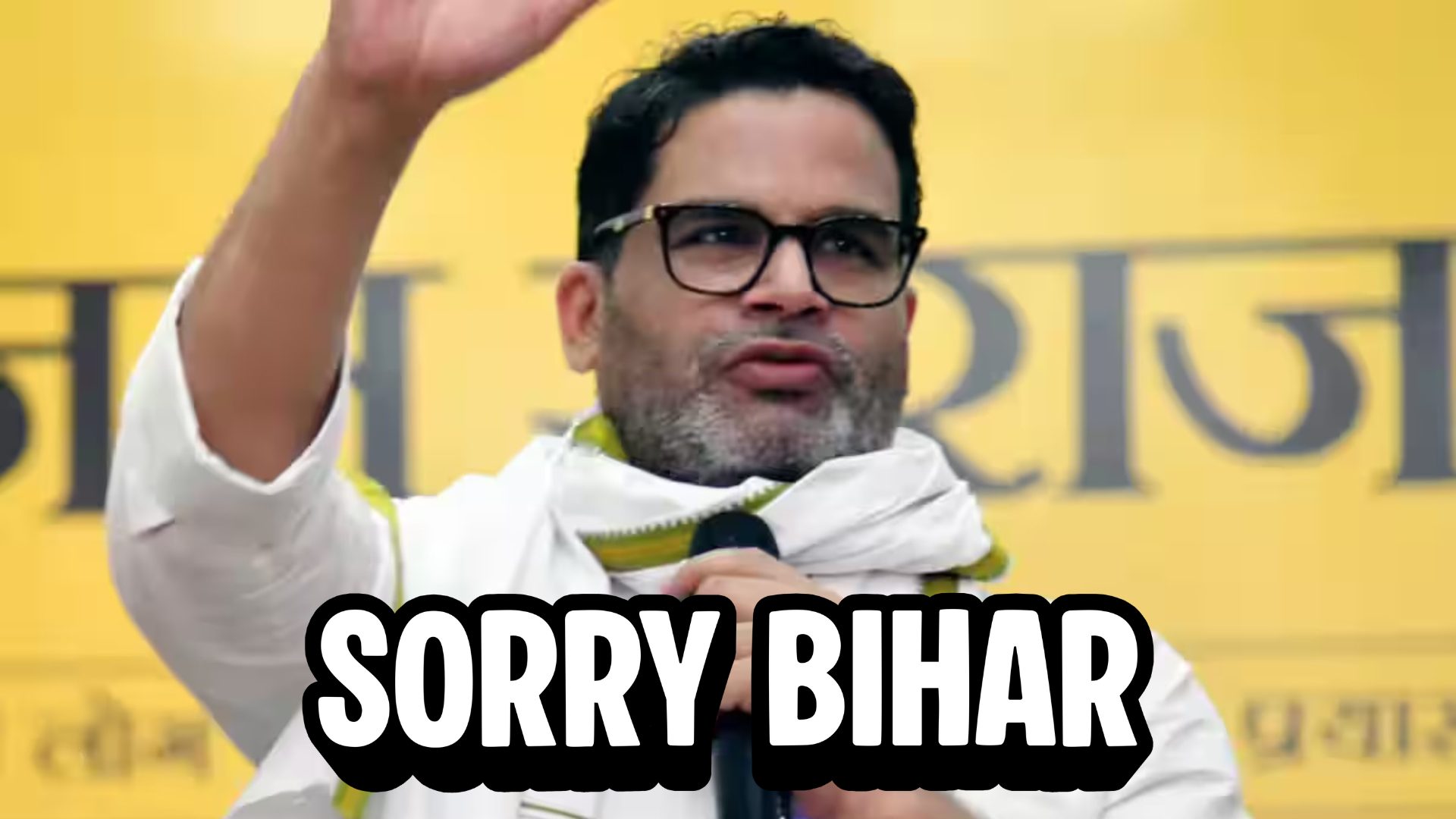
The recent political setback faced by Prashant Kishor (PK) in Bihar has triggered serious conversations on strategy, leadership, and the evolution of voter behaviour in India’s heartland. For someone widely regarded as the architect behind several successful national and state-level campaigns, PK’s own political foray not translating into electoral success offers a rare opportunity to decode what truly shapes electoral outcomes in Bihar. This is not a commentary on defeat—it is a study in political realities. 1. Charisma Is Not a Substitute for Cadre and Organisational Depth Indian politics—especially in states like Bihar—runs on organisational depth, not just messaging brilliance. PK’s Jan Suraaj movement achieved significant visibility through high-profile padyatras and media engagement, but visibility is not the same as a guaranteed vote-bank. Electoral success in Bihar hinges on an apparatus that translates positive public opinion into actual ballots on election day. Established parties like RJD, JD(U), BJP, and even smaller caste-based outfits have decades of entrenched grassroots networks: PK’s approach focused heavily on mass outreach rallies and an all-encompassing communication strategy. While this builds awareness, it cannot replace the meticulous, low-profile work of a booth-level machinery. Bihar’s political culture rewards relationships built over generations and loyalties cemented through reciprocal social and political support, not campaigns built over mere months, regardless of their polish. Lesson: Mass outreach rallies and a powerful brand message are insufficient. Sustained political success requires deep, micro-level operational strength to convert sentiment into votes. 2. Bihar Votes on Social Coalitions, Not Individual Narratives PK attempted to create a “new politics”—one that was issue-based, youth-centred, and development-oriented, moving beyond traditional identity politics. This approach appeals intellectually to the urban and educated classes. However, Bihar’s electoral psychology is historically and fundamentally shaped by identity clusters and social engineering: Yadavs, Kurmis, Koeris, Muslims, Paswans, Kushwahas, and Extremely Backward Classes (EBCs). These well-defined blocs do not shift their allegiance overnight based on a technocratic manifesto. While his message of governance appealed to groups frustrated with the status quo, it critically lacked penetration among the traditional caste anchors whose consolidation ultimately determines electoral margins. Established parties excel at identifying and mobilising these identity groups through established leaders who speak the cultural language of that particular segment. PK’s movement, being intentionally identity-neutral, failed to build an alternative social glue strong enough to displace the existing, deep-rooted identity fault lines. Lesson: Electoral engineering in Bihar requires either the dismantling or the successful reconfiguration of existing social coalitions; merely offering a technocratic or issue-based alternative will not suffice against entrenched identity politics. 3. Anti-Establishment Messaging Works Only When You Have a Loyal Base PK framed his campaign around the palpable dissatisfaction with traditional parties—focusing on systemic issues like corruption, chronic unemployment, and mass migration. While the grievance is real, anti-establishment politics, by its nature, requires a loyal constituency that is already disillusioned and trusts the new alternative implicitly. For example, the Aam Aadmi Party (AAP) succeeded in Delhi because there was a clear, widespread governance grievance (corruption, poor public services) and a large, aspirational middle-class mass that fundamentally trusted Arvind Kejriwal’s activist, anti-graft identity. In Bihar, despite genuine frustrations, voters often display a pragmatic caution. They view the established parties (RJD, JD(U), BJP) as “known entities”—they know what they will get, warts and all. PK’s platform, being an untested, fresh political vehicle, was viewed with skepticism, especially in rural areas. The anti-incumbency vote often consolidates behind the strongest, most familiar opposition, not necessarily the newest disruptor. The trust deficit for an outsider platform proved too wide to cross. Lesson: Outsider politics must first earn insider trust through an extended period of reliable local engagement before the electorate will commit to a disruptive new platform. 4. Bihar’s Politics Reward Consistency Over Disruption PK’s professional temperament is often described as mobile, experimental, and disruptive—qualities that make him a stellar political strategist capable of rapid course correction across diverse campaigns. Bihar’s political DNA, however, prefers predictable loyalties and stable alignments. Voters in Bihar remember and reward leaders who stay within a defined ideological or party lane for the long haul, not those who strategically advise or align with various national parties. PK’s well-known past association with multiple, often ideologically opposed, national parties (BJP, JD(U), Congress) created a background noise of confusion about his fundamental ideological location and long-term commitment. This perceived lack of positional clarity eroded the foundational trust required for an individual to launch a new political movement. Political credibility is built on positional consistency. Lesson: Personal credibility in the complex political theatre of Bihar is derived from long-term positional clarity and consistent ideological messaging, not short-term strategic brilliance or cross-party tactical alliances. 5. Bihar Wants Development, But Through Familiar, Culturally Digestible Channels It is a misconception that Bihar voters reject the idea of development (Vikas). They emphatically want it—but they prefer it to be delivered through leaders who feel socially relatable and ethically consistent with their established worldview. PK’s model heavily emphasised data, governance metrics, structural reforms, and technical expertise. This is excellent on paper but often feels emotionally distant and abstract for the average rural voter who values immediate, visible improvements and access through familiar intermediaries. Nitish Kumar’s long-standing “vikas purush” image succeeded precisely because it was often framed and delivered through the existing caste-cultural lens and through local leaders who understood the community’s emotional and social needs. Development must be tangible and relatable. Lesson: Effective political communication mandates that the message of development (Vikas) must be delivered in a culturally digestible language, connecting policy outcomes to the emotional and social fabric of the electorate.
Red Fort Metro Explosion: A Wake-Up Call for Public Safety in Delhi
The Red Fort Metro explosion has shaken Delhi to its core, leaving citizens shocked, grieving, and demanding urgent action. Occurring near one of the city’s most iconic and heavily visited areas, the incident exposes deep vulnerabilities in the capital’s public safety and security framework. Beyond the tragic loss of lives, the blast serves as a hard reminder that Delhi’s public transportation system — relied on by millions daily — still faces serious security lapses. As investigations continue, one thing is clear: Delhi must urgently strengthen its public safety preparedness. Why the Red Fort Metro Explosion Cannot Be Ignored The blast near the Red Fort Metro Station is not an isolated tragedy. It highlights recurring weaknesses in how crowded, high-risk public locations are monitored and protected. Metro stations around historic landmarks attract heavy footfall, making them high-priority security zones that demand advanced surveillance and consistent monitoring. This incident forces us to confront critical questions about safety in Delhi’s metro network. Are Security Checks Adequate and Consistent? Delhi Metro follows a multi-layer security model, yet commuters often report: The incident raises concerns about whether the system has become routine and complacent, rather than dynamic and risk-sensitive. Security personnel need stronger training, more advanced tools, and continuous refresher programs to remain effective. Is Real-Time Surveillance Truly Being Monitored? Thousands of CCTV cameras across the metro are only useful when: Simply installing cameras is not enough.What matters is AI-enabled surveillance, anomaly detection systems, and trained monitoring staff who can respond within seconds. Delhi urgently needs to upgrade metro surveillance from passive recording to active, intelligent monitoring. Emergency Response: Prepared or Not? Events like the Red Fort Metro blast test the city’s emergency readiness. Key questions arise: Improving crisis management requires more than written procedures — it demands practice, coordination, and public awareness. Government Responsibility and Accountability At the heart of this tragedy lies a fundamental duty:The government must ensure safe and secure public spaces. The Red Fort Metro explosion must prompt: 1. A transparent, unbiased investigation Citizens deserve clarity and confidence that every angle — security lapses, technical failures, possible criminal activity — is thoroughly examined. 2. A nationwide security audit High-footfall areas such as metro stations, railway hubs, markets, and heritage sites must be reassessed for vulnerabilities. 3. Investment in modern security infrastructure India’s capital must adopt cutting-edge technologies, including: Public safety should never become a political talking point — it is the foundation of trust between citizens and the state. Public Safety Lessons Delhi Must Learn The Red Fort Metro explosion should serve as a turning point for how India approaches urban security. Prevention must replace reaction. Below are essential reforms: 1. Upgrade Screening Technology Across Metro Stations Newer explosive trace detectors, AI-powered scanners, and automated monitoring systems must replace outdated equipment. 2. Strengthen Intelligence Networks Local intelligence, cyber threat tracking, and inter-agency communication must be streamlined to detect threats early. 3. Improve Crisis-Response Training Security staff, paramedics, and metro personnel must undergo: Preparedness reduces casualties when every second counts. 4. Smarter Surveillance Systems Delhi needs surveillance that does more than record visuals.Systems must detect: AI and machine learning can identify risks faster than human monitoring alone. 5. Public Awareness & Participatory Safety Citizens should be aware of: Public participation is key to building a safer metro environment. The Path Forward for Delhi Delhi is a global city. Millions depend on its metro system daily.Their safety cannot rely on outdated systems or routine checks. The Red Fort Metro explosion must become a catalyst for: This is a moment to rebuild trust — not through statements, but through decisive action. If Delhi strengthens its security systems now, it can prevent future tragedies and create a safer, more resilient public environment for all.

Online Gaming Bill 2025: Law vs Morality vs Employment – Youth Addiction or Jobs at Stake?
The Online Gaming Bill 2025 has triggered a nationwide debate: should the state safeguard morality and youth welfare, or should it preserve employment and revenue? This Bill, which proposes a blanket ban on real-money gaming platforms like Dream11, MPL, and Zupee, stands at the delicate intersection of law, morality, and economy. The Moral Argument: Protecting Youth From a moral lens, the state carries a parens patriae duty—to protect vulnerable citizens, especially the youth. The Online Gaming Bill 2025 responds to rising cases of students falling into debt, families facing disputes, and even suicides linked to gaming losses. These platforms foster a culture of instant gratification, weakening values like patience, hard work, and restraint. Philosophical traditions from Aristotle’s virtue ethics to Gandhi’s principle of self-restraint remind us that unchecked indulgence corrupts society. Thus, the Bill asserts that law must uphold morality when social harmony is endangered. The Economic Reality: Jobs and Revenues at Stake Yet, the economic impact cannot be ignored. The Indian online gaming industry has generated lakhs of jobs for coders, marketers, and designers while contributing thousands of crores in taxes. With Dream11’s exit, even the BCCI faces the prospect of losing significant sponsorship revenue. Critics argue that a blanket ban could push gaming into the unregulated black economy, where neither taxation nor consumer protection exists. Instead, regulated oversight—with spending caps, age restrictions, and compliance checks—could protect society without destroying livelihoods. The Online Gaming Bill 2025: Law–Morality Crossroads At its core, the Online Gaming Bill 2025 highlights the tension between law and morality. From a utilitarian perspective, banning gaming maximizes welfare by reducing addiction. From a Kantian lens, gambling is intrinsically immoral and should be prohibited regardless of economic benefits. Thus, Indian law faces a defining question: should it act as a moral guardian, prioritizing virtue, or as an economic pragmatist, sustaining jobs and revenues? The real challenge is to balance freedom, social ethics, and economic survival. Conclusion: Beyond Ban vs Profit India’s choice is not simply between morality and employment. A society that normalizes gambling risks moral decay, but a state that ignores economic realities risks unrest. The solution lies in calibrated regulation, public awareness, and redefining entertainment beyond gambling. The Online Gaming Bill 2025 must evolve into a framework that harmonizes moral responsibility with economic pragmatism—for the true test of law is not choosing sides but reconciling them. The Online Gaming Bill 2025 has ignited a nationwide debate—should the state prioritize moral order and youth welfare, or should it preserve economic growth and employment? The Bill proposes a blanket ban on real-money gaming platforms such as Dream11, MPL, and Zupee, citing rising concerns over gambling addiction, student debt, and deteriorating values among youth. The discussions surrounding the online gaming bill 2025 india have become increasingly relevant in this context. The online gaming bill 2025 india raises questions about the balance between regulation and personal freedom. The Moral Argument: Protecting a Generation Understanding the Implications of the Online Gaming Bill 2025 India From a moral lens, the state carries a parens patriae duty—to safeguard its citizens, especially the vulnerable youth. Reports highlight how online fantasy and betting platforms blur the line between “skill” and “gambling.” College students and young professionals are lured with promises of easy wealth, only to spiral into debt traps. Family disputes, psychological stress, and even cases of suicides have been linked to gaming losses. Critics argue that the rise of such platforms fosters a culture of instant gratification, weakening virtues of hard work, patience, and restraint. From Aristotle’s virtue ethics to Gandhi’s insistence on self-restraint, moral philosophy repeatedly warns against temptations that undermine societal harmony. In this context, the Bill resonates with the principle that law must uphold morality when social fabric is endangered. The Economic Reality: Jobs and Revenues at Stake On the other hand, the online gaming sector in India has generated lakhs of jobs—from coders to marketers—and contributed thousands of crores in taxes. The exit of Dream11 from BCCI sponsorship, for instance, could reportedly cost the cricketing body hundreds of crores. For a developing economy, where youth unemployment already looms large, dismantling an industry of such magnitude seems counterproductive. Moreover, a blanket ban risks pushing gaming into the unregulated underground economy, where neither taxation nor player protection exists. Regulation, not prohibition, many argue, could strike a balance: age-gated entry, spending caps, and strict compliance could minimize harm while preserving livelihoods. The Law-Morality Crossroads At the heart of the Online Gaming Bill 2025 lies the eternal tension between law and morality. Law, in its essence, is not just a set of rules but a reflection of collective values. Morality, however, is more fluid—shaped by culture, ethics, and social expectations. When youth addiction and financial ruin rise, lawmakers feel compelled to intervene, yet the dilemma is whether legislation should enforce morality or merely regulate conduct. From a utilitarian perspective (Jeremy Bentham, J.S. Mill), the state must maximize overall welfare. Here, banning online gaming could prevent societal harm caused by addiction, debt, and family breakdowns. But it also inflicts economic harm by dismantling an industry that provides employment to lakhs and contributes significantly to the exchequer. On the other side, Kantian moral philosophy would insist that gambling—if intrinsically wrong—should not be tolerated, regardless of its economic benefits. The state then acts not as a market regulator but as a moral guardian, ensuring that citizens are not reduced to instruments of profit at the cost of their dignity. Thus, the Bill becomes a mirror: is Indian law to be shaped by moral paternalism, safeguarding virtue at all costs, or by economic pragmatism, allowing vice in a regulated form for collective gain? The crossroads demands not a simple choice, but a nuanced equilibrium where individual freedom, social ethics, and economic survival are balanced with care. Conclusion: Beyond Ban vs. Profit India’s challenge is not merely legal—it is civilizational. A society that normalizes gambling risks moral decay, but a state that ignores economic realities risks unemployment unrest. The real solution may lie in calibrated regulation, public

Operation Sindoor and the Evolving Architecture of Indian Strategic Retaliation
The launch of Operation Sindoor in the early hours of 7 May 2025 marked a watershed in the evolution of India’s counter-terror policy. Unlike the emotionally charged retaliatory strikes of the past, this was a precisely targeted, intelligence-driven, and doctrinally coherent operation, rooted not in vengeance but in calibrated statecraft. By striking multiple terror infrastructures across Pakistan-administered Kashmir in response to the April 22 Pahalgam attack, India not only reinforced its red lines but also articulated a new lexicon of sovereignty and deterrence in the face of persistent cross-border terrorism. At the heart of this operation lies a fundamental recalibration: the transition from a reactive, diplomatically encumbered posture to a proactive, legally-informed strategic doctrine. The Indian state, long trapped between normative restraint and strategic vulnerability, appears to have now embraced what might be called a principle of responsible disruption. This principle holds that in an environment where non-state actors operate with impunity under the protective umbrella of hostile regimes, conventional deterrence becomes ineffectual unless supplemented by controlled, precise, and time-bound kinetic action. Operation Sindoor was calibrated to signal precisely this shift. It was limited in duration (23 minutes), narrow in scope (nine non-civilian targets), and proportionate in intention (counter-terror, not anti-state). By avoiding civilian or military infrastructure, India sought to deny Pakistan the legitimacy of a symmetrical response, while simultaneously demonstrating the reach and credibility of its precision-strike capabilities. The use of loitering munitions, satellite-guided targeting, and indigenous drone systems also reflected an increasingly autonomous defence ecosystem capable of conducting strategic operations without over-reliance on foreign platforms. In terms of legality, India’s justification draws credence from Article 51 of the UN Charter, which enshrines the right of self-defence in the event of an armed attack. The jurisprudence surrounding this article, especially post-9/11, has evolved to accommodate pre-emptive and anticipatory self-defence against non-state actors in cross-border sanctuaries. While grey zones remain in international law regarding the violation of territorial sovereignty, India’s articulation — reinforced by public evidence, international briefings, and the avoidance of civilian harm — appears to have been met with tacit acceptance, if not open endorsement, from key global actors. The unusually broad international support — from the United States and France to Saudi Arabia and the UAE — indicates a growing normative shift: that sovereignty cannot be an alibi for impunity when terror is knowingly harbored. Domestically, the political implications are both immediate and layered. In an election year, the operation inevitably entered the political discourse, with the ruling establishment framing it as evidence of decisive leadership and credible deterrence. However, beyond partisan gain, Operation Sindoor has contributed to an institutional redefinition of civil-military synergy, with intelligence, operational command, and executive decision-making functioning in visible coordination. The absence of leakage, the preparedness for retaliatory scenarios, and the robustness of internal defence drills point to a maturing national security doctrine that is less performative and more procedural. Critics, however, remain cautious. The escalation risks inherent in striking targets across a nuclear-armed frontier are undeniable. Moreover, questions persist around long-term efficacy: Can precision strikes alone dismantle entrenched terror networks? Does kinetic retaliation address the ideological and financial supply chains of terrorism? These are valid concerns. But the point of such operations is not finality — it is deterrence, disruption, and denial. They are part of a broader ecosystem of counter-terrorism that must include diplomatic isolation, financial surveillance, cyber countermeasures, and grassroots de-radicalization. In conclusion, Operation Sindoor reflects a paradigmatic shift in India’s approach to cross-border terrorism — one that combines constitutional restraint with strategic assertiveness. It neither romanticizes war nor shies away from hard power. Instead, it seeks to craft a doctrine of proportionate sovereignty: firm enough to restore deterrence, restrained enough to avoid escalation, and precise enough to retain legal legitimacy. In a world where non-state violence challenges the very foundations of statehood, such operations may well become the grammar of 21st-century defence policy.

Analyzing the Global Impact of Trump’s Policies: A Closer Look
Former U.S. President Donald Trump’s presidency was defined by bold policy moves that stirred significant global debates. From immigration reforms to decisions on climate change and advancements in technology, his actions often divided public opinion. This article delves into three key policies: the proposed denial of citizenship at birth for children of H1B visa holders, the U.S.’s exit from the Paris Climate Agreement, and efforts to encourage private-sector investment in artificial intelligence (AI). We will assess the utility and global implications of these policies. 1. No Citizenship at Birth for Children of H1B Visa Holders Trump’s plan to deny automatic citizenship to children born in the U.S. to H1B visa holders was part of his broader immigration reform strategy. The policy was aimed at discouraging what he referred to as “birthright tourism” and limiting benefits for temporary workers. Though the policy’s exact details were unclear, it caused considerable concern among skilled immigrant workers, especially those from countries like India and China. Impact and Utility Economic Consequences: Skilled immigrants on H1B visas are vital contributors to the U.S. economy, particularly in technology and research sectors. Restricting citizenship could discourage global talent from pursuing opportunities in the U.S., benefiting other immigration-friendly nations. Global Perception: The policy was widely viewed as exclusionary, undermining the U.S.’s reputation as a land of opportunity. Countries like Canada and Australia, known for welcoming skilled labor, stood to gain. Legal and Social Challenges: The proposal raised questions about its compatibility with the 14th Amendment, which guarantees birthright citizenship. Legal disputes would likely consume public resources and deepen societal divides. 2. Withdrawal from the Paris Climate Agreement In 2017, Trump announced the U.S.’s withdrawal from the 2015 Paris Climate Agreement, a decision that shocked the international community. He argued that the agreement was unfair to the U.S. economy and called for renegotiation. This move marked a dramatic shift in the nation’s climate leadership. Impact and Utility Environmental Backlash: The Paris Agreement aimed to limit global warming to below 2°C. The U.S.’s withdrawal was viewed as a major setback to international climate efforts, potentially encouraging other nations to weaken their commitments. Economic Arguments: Trump justified the withdrawal by claiming it disadvantaged U.S. industries and jobs, particularly in coal and manufacturing. While this reasoning appealed to some domestic stakeholders, it overlooked opportunities in the burgeoning renewable energy sector. Global Leadership Vacuum: The withdrawal paved the way for countries like China and the European Union to assume greater leadership in climate policy, reducing the U.S.’s influence in global environmental negotiations. 3. Promoting Private-Sector AI Investment The Trump administration prioritized U.S. competitiveness in artificial intelligence by encouraging private-sector investment in AI infrastructure. The initiative focused on collaboration with major tech companies to drive innovation and secure the nation’s position in the global AI race. Impact and Utility Technological Advancements: AI plays a crucial role in economic and strategic competition. Promoting private-sector investment could accelerate innovation, improve efficiency, and create new industries, ensuring the U.S. remains at the forefront of technological progress. Economic and Social Benefits: Investments in AI infrastructure could enhance productivity, improve public services, and address challenges in areas like healthcare, education, and transportation. However, the absence of robust regulations raised concerns about ethical implications and workforce displacement. Global Competition: While the initiative aimed to solidify U.S. dominance, other countries, particularly China, made significant advancements in AI. Strengthening collaboration with allies and establishing ethical standards would be essential to maintaining leadership. Evaluating the Global Impact Each of these policies had significant domestic and international repercussions: Economic and Talent Migration: The immigration policy targeting H1B visa holders diminished the U.S.’s attractiveness as a destination for global talent. Countries with more inclusive immigration policies benefited from the resulting brain drain, weakening the U.S.’s competitive edge in technology and innovation. Climate Diplomacy and Leadership: The Paris Agreement withdrawal left the U.S. isolated in global climate discussions, emboldening other nations to question their commitments and threatening to derail international progress on climate change. Technological Innovation: The focus on AI investment highlighted the U.S.’s ambition to maintain technological supremacy. However, the lack of balanced regulation and international cooperation limited the long-term potential of these efforts. Lessons Learned and the Way Forward Trump’s policies illustrate the challenges of balancing domestic priorities with global responsibilities. While some of his decisions addressed immediate economic concerns, their broader impact on international relations and U.S. leadership was profound. Future administrations can take away several key lessons: Inclusive Immigration Policies: Striking a balance between addressing domestic concerns and attracting global talent can bolster economic growth and foster cultural diversity. Leadership in Climate Action: The U.S. should reclaim its role in global climate efforts by investing in renewable energy and committing to international agreements, reinforcing its position as a leader in sustainable development. Ethical AI Development: As AI continues to transform industries, a comprehensive regulatory framework is essential to balance innovation with ethical considerations and foster global collaboration. Conclusion Donald Trump’s policy decisions left a complex legacy that continues to shape global discourse. While many of his moves prioritized immediate U.S. interests, their broader consequences often strained international relationships and underscored the interconnected nature of today’s challenges. By learning from these policies and their outcomes, future leaders can create strategies that address domestic priorities while promoting global progress and cooperation.

Mahakumbh Mela 2024: A Confluence of Spirituality, Culture, Unity, and Law
The Mahakumbh Mela of 2024, held in Prayagraj, is not just a festival but a living testament to India’s rich spiritual, cultural, and social tapestry. Every 12 years, this extraordinary event gathers millions of pilgrims, ascetics, and devotees from across the world at the confluence of the sacred rivers Ganga, Yamuna, and the mythical Saraswati. The 2024 Mahakumbh holds even greater importance as it coincides with rare planetary configurations believed to enhance its spiritual significance. However, beyond its spiritual core, the Mahakumbh is an intricate blend of cultural expression, social unity, and legal frameworks that ensure its smooth conduct. Spiritual Significance The Mahakumbh is rooted in ancient Hindu beliefs and mythology. According to legend, during the churning of the ocean (Samudra Manthan), drops of nectar (amrita) fell at four locations: Prayagraj, Haridwar, Ujjain, and Nashik. The Mahakumbh commemorates this celestial event and offers an opportunity for devotees to cleanse their sins and attain moksha (salvation) by taking a holy dip at the Triveni Sangam. This spiritual act is not merely a ritual but a profound declaration of faith, devotion, and hope for liberation. For millions, the Mahakumbh is a journey of self-purification and reconnection with the divine. Cultural Grandeur The Mahakumbh is a vibrant showcase of India’s cultural heritage. The festival grounds transform into a microcosm of the nation, representing diverse languages, traditions, and rituals. Akharas (religious sects), sadhus (ascetics), and spiritual leaders participate in grand processions, offering a visual spectacle of devotion. Vedic chants, classical music, and religious discourses enrich the atmosphere, making it a cultural extravaganza that captivates attendees and onlookers alike. Temporary settlements and cultural exhibitions highlight the rich traditions and practices of India, creating a living museum of its spiritual and artistic history. Moreover, the Mahakumbh plays a pivotal role in preserving and transmitting knowledge. Scholars, philosophers, and devotees engage in discussions on ancient texts and spiritual teachings, fostering a deeper understanding of India’s philosophical roots. This cultural exchange transcends borders, attracting international visitors and fostering global appreciation for Indian traditions. Social Unity The Mahakumbh is a powerful symbol of social harmony and equality. People from all walks of life, regardless of caste, creed, or socioeconomic background, come together as equals to participate in the festival. The shared experience of devotion and faith creates a sense of collective identity, reinforcing the principles of unity and coexistence. For many, the Mahakumbh is a space where societal barriers dissolve, and humanity connects on a deeper spiritual level. The festival also provides an opportunity for selfless service. Thousands of volunteers, organizations, and government agencies work tirelessly to ensure the comfort and safety of the attendees. Free food, medical aid, and temporary shelters are provided, reflecting the spirit of generosity and care that defines the Mahakumbh. Legal and Administrative Framework While the Mahakumbh is a spiritual and cultural marvel, it also demands meticulous legal and administrative planning. The Allahabad High Court recently addressed key legal issues surrounding land allotments for the festival. In a notable judgment, the court ruled that no individual or organization could claim a vested right to a particular piece of land based solely on prior allotments. The court emphasized that the growing scale of the Mahakumbh necessitates equitable and policy-driven land distribution to accommodate religious institutions and organizations. In preparation for the 2024 Mahakumbh, the High Court of Judicature at Allahabad issued orders for the deployment of officers at specialized camps at VIP Ghat and Arail Ghat. Section Officers, Review Officers, and Assistant Review Officers from various departments, including administration, criminal bail, and judicial chambers, have been assigned roles to ensure smooth functioning. These legal measures demonstrate the intersection of tradition and governance, where law plays a crucial role in maintaining order and fairness in a mega event of this magnitude. Economic and Global Impact The Mahakumbh also has a profound economic impact, driving tourism, generating employment, and boosting local businesses. The festival attracts millions of domestic and international tourists, creating opportunities for cultural exchange and economic growth. Its global appeal positions India as a hub of spiritual tourism, enhancing its cultural diplomacy and soft power. Conclusion The Mahakumbh Mela 2024 is more than a religious event; it is a multifaceted phenomenon that integrates spirituality, culture, social unity, and governance. It reflects the harmonious coexistence of faith and law, tradition and modernity. As millions gather to celebrate this sacred event, the Mahakumbh stands as a testament to India’s timeless values, resilience, and the unifying power of faith. It is a celebration of humanity’s collective journey toward the divine and a reminder of the cultural and spiritual wealth that defines India.

Sexual Assault: A Growing Problem and Possible Solutions- The Chennai Story
Recent incidents, like the sexual assault of a university student in Chennai, show the harsh truth that women in India still face dangers in both public and private spaces. In one case, a roadside vendor was accused of assaulting a student from a reputed institution. In another instance, students from Anna University raised concerns about poor safety measures during a meeting with Tamil Nadu’s Governor R.N. Ravi. These cases reveal how vulnerable women remain and call for immediate action. The Rising Cases of Sexual Assault Violence against women has sadly become common in India. Reports of assaults, harassment, and abuse appear in the news every day, showing a grim picture of societal attitudes. Even though laws like the Criminal Law (Amendment) Act, 2013, impose stricter punishments for such crimes, enforcement often falls short. Public places, meant to offer freedom and equality, have turned into spaces of fear for many women. The Chennai incidents are not unique. Similar cases in cities and villages across the country highlight a pattern of neglect and lack of deterrence. Women traveling for work, studying in schools, or simply walking on the streets often face harassment. The tendency to shame victims instead of addressing the root causes makes the situation worse. Failures by Authorities A troubling aspect of these incidents is the negligence of authorities responsible for protecting victims. In the Chennai case, the court criticized the police for leaking the FIR, which exposed the victim’s personal details and caused her further trauma. The court ordered the State to pay Rs. 25 lakh as interim compensation to the victim. Additionally, the police commissioner was reprimanded for holding a press meeting about the case without approval from the government, violating official rules. Such actions show the failure of authorities to ensure justice and safety. Reasons Behind the Problem: Several factors contribute to the recurring issue of sexual assault in India: Patriarchal Attitudes: Deeply rooted beliefs that women are inferior make them easy targets. Weak Policing: Poor police presence and delayed responses embolden criminals. Slow Justice System: Long court processes and low conviction rates reduce the fear of punishment. Lack of Awareness: Many women are unaware of their legal rights or how to seek help. Social Stigma: Fear of being blamed stops victims from reporting crimes. Existing Laws and Court Rulings India has strong laws like the Protection of Children from Sexual Offenses (POCSO) Act, 2012, and the Criminal Law (Amendment) Act, 2013, to fight sexual violence. The Supreme Court’s judgment in Vishaka v. State of Rajasthan (1997) introduced guidelines to prevent sexual harassment at workplaces. However, these laws need better implementation and greater awareness to have real impact. The courts also play a key role, as seen in the Chennai case, where judicial orders addressed lapses by officials. Steps to Tackle the Issue Solving this problem requires combined efforts: Education and Awareness: Schools and colleges should teach gender sensitivity and basic self-defense. Public campaigns can challenge harmful norms and empower women to report crimes. Better Policing: Creating women’s police stations, patrolling high-risk areas, and acting swiftly against offenders can make a difference. Faster Trials: Quick handling of sexual assault cases and strict punishment can discourage offenders. Technology for Safety: Apps, GPS tracking, and CCTV cameras in public areas can improve security. Community Support: Local groups can run safety programs and promote a zero-tolerance approach to harassment. Shared Responsibility Addressing sexual violence is not just the government’s duty. Families, schools, communities, and individuals all have a role in building a safe and inclusive society for women. Witnesses to harassment should also step up and support victims rather than staying silent. Conclusion The incidents in Chennai highlight the urgent need to tackle sexual violence in India. Laws and policies exist, but their proper enforcement and public support are still lacking. By promoting equality and respect, educating society, and strengthening safety measures, India can aim for a future where women feel secure and valued. Everyone must contribute to this mission because ensuring women’s safety is essential for a just and progressive society.
The Statesmanship of Dr. Manmohan Singh: A Legacy of Visionary Leadership
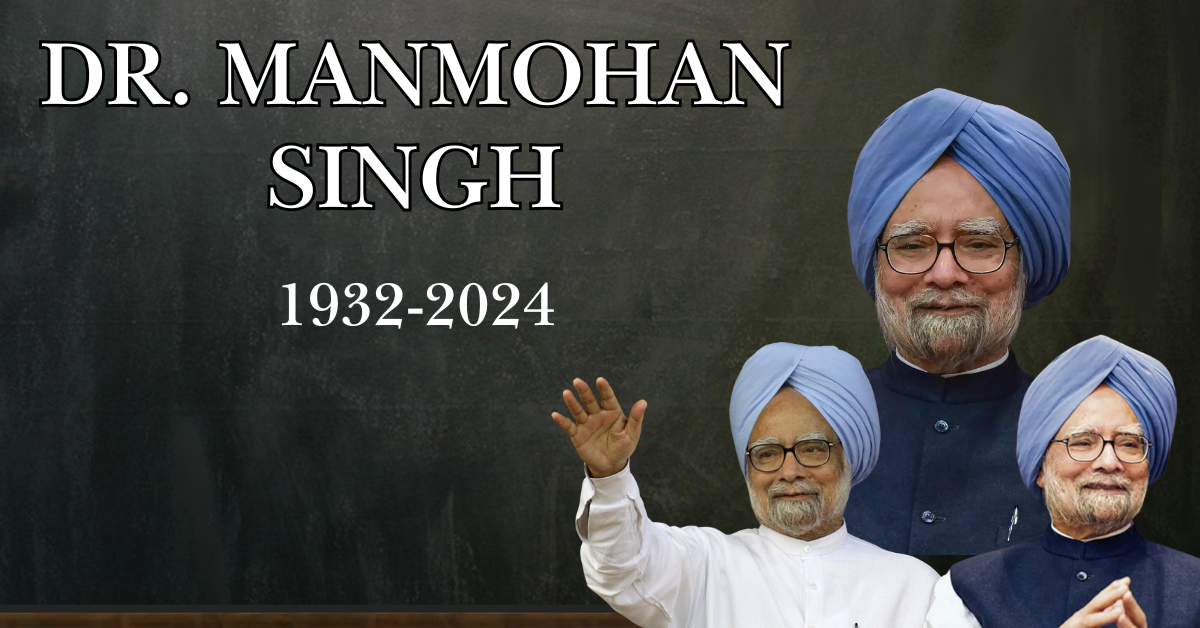
From Scholar to Leader: Introduction Dr. Manmohan Singh, India’s 13th Prime Minister, is known for his honesty, intelligence, and calm approach. His journey from modest beginnings to becoming one of India’s most important leaders highlights his dedication. As an economist, administrator, and reformer, Dr. Singh has made lasting changes to India’s economy and politics. Education and Early Career Dr. Singh was born in Gah (now in Pakistan) on September 26, 1932. From a young age, he was brilliant in his studies. He graduated from Punjab University with a degree in Economics and went on to study at the University of Cambridge and Oxford University. His PhD focused on India’s export potential, showing his deep understanding of economic policies. Returning to India, he worked as a professor and held important roles in institutions like the Reserve Bank of India (RBI) and the Planning Commission, where his ideas shaped India’s financial policies. Entering Politics In 1991, when India faced a serious financial crisis, Dr. Singh was chosen as Finance Minister by Prime Minister P.V. Narasimha Rao. This marked the start of his political journey and his role as a reformer. The 1991 Economic Crisis India was in deep trouble in 1991, with low foreign reserves and mounting debt. As Finance Minister, Dr. Singh introduced major reforms that opened up India’s economy, ended strict trade controls, and welcomed foreign investments. His policies transformed India into a growing global economy. His 1991 budget speech, quoting Victor Hugo—“No power on earth can stop an idea whose time has come”—is remembered as iconic. Prime Minister: 2004-2014 Dr. Singh served as Prime Minister for two terms. His calm leadership helped him manage the challenges of coalition politics effectively. Key Achievements in the First Term (2004-2009) Economic Growth: India’s economy grew rapidly, and poverty alleviation programs like MGNREGA provided rural employment and economic security. Transparency and Reforms: The Right to Information Act (2005) empowered citizens to demand accountability from the government. U.S.-India Nuclear Deal: Despite challenges, Dr. Singh finalized this deal, securing energy resources for India. Education and Healthcare: Programs like Sarva Shiksha Abhiyan boosted primary education, while the National Rural Health Mission (NRHM) improved healthcare access. Second Term Challenges and Triumphs (2009-2014) Food Security Act: Ensured affordable food for millions, addressing hunger and malnutrition. Technology Advancements: Introduced Aadhaar, a national ID system, to improve service delivery. Rural Development: Programs like Bharat Nirman improved infrastructure in rural areas. Long-Term Impact Dr. Singh’s policies in education, healthcare, and technology had far-reaching effects. His emphasis on renewable energy and women’s empowerment through laws like the Domestic Violence Act (2005) reflected his vision for a progressive India. Legacy of Statesmanship Dr. Manmohan Singh’s tenure exemplified leadership rooted in integrity, knowledge, and a deep understanding of India’s socio-economic challenges. Despite criticism and challenges, his ability to navigate crises, introduce transformative policies, and maintain a calm demeanor under pressure underscored his statesmanship. His emphasis on inclusive growth, transparency, and modernization has left a lasting impact on India. While his quiet, unassuming style often drew detractors, history recognizes him as a leader who placed the nation’s interests above all. Conclusion: A Visionary Leader Dr. Manmohan Singh’s journey from a village in Punjab to the corridors of power in Delhi is a narrative of dedication, intellect, and service. As an economist and a statesman, his contributions have shaped modern India, ensuring its place on the global stage. Singh’s legacy is not merely of economic reforms or policies but of an enduring commitment to the ideals of democracy, equality, and progress. For generations to come, his statesmanship will inspire leaders to prioritize the greater good over personal ambition.

Resilience and Reflection: 20 Years After the 2004 Tsunami
The 2004 Indian Ocean tsunami, one of the deadliest natural disasters in recorded history, left an indelible mark on millions of lives. As we commemorate its 20th anniversary, it is imperative to reflect on the socio-legal challenges faced during and after this catastrophic event, and the lessons learned for future disaster management and governance. The Scale of the Tragedy On December 26, 2004, a massive undersea earthquake triggered a tsunami that devastated coastlines across 14 countries. Over 230,000 lives were lost, millions displaced, and vast areas of infrastructure destroyed. In India, Tamil Nadu, Kerala, and the Andaman and Nicobar Islands bore the brunt of the calamity. The unprecedented scale of the disaster posed immense challenges for affected communities and administrative systems alike. Challenges Faced by Affected Populations Loss of Life and Livelihoods: Entire families were wiped out, and survivors were left with no means of livelihood. Fisherfolk, whose lives depend on the sea, were particularly devastated. Displacement and Shelter: Millions were rendered homeless. Temporary shelters lacked basic amenities, leading to health and hygiene concerns, especially for women and children. Psychosocial Impact: Survivors faced immense trauma, with many suffering from post-traumatic stress disorder (PTSD). The loss of loved ones, homes, and livelihoods created a pervasive sense of despair. Access to Relief and Rehabilitation: Disparities in the distribution of aid and relief materials caused tension among affected communities. Marginalized groups often faced difficulties in accessing assistance. Cultural and Social Disruption: Traditional fishing practices, local governance systems, and community cohesion were disrupted, necessitating long-term rehabilitation efforts. Administrative and Legal Challenges Coordination of Relief Efforts: The tsunami highlighted the lack of preparedness and coordination among government agencies, NGOs, and international organizations. Delays in aid distribution further exacerbated the suffering. Land Rights and Rehabilitation: Disputes over land ownership emerged as communities were relocated. Legal ambiguities often delayed rehabilitation projects. Disaster Governance Frameworks: The disaster underscored the inadequacy of existing legal frameworks to handle such large-scale calamities. The Disaster Management Act, 2005, was introduced in India only after the tsunami, illustrating the gaps in pre-disaster legislation. Accountability and Transparency: Allegations of mismanagement and corruption in relief funds undermined trust in administrative systems. Mechanisms for accountability were often absent or ineffective. Environmental Considerations: Coastal ecosystems were significantly damaged, necessitating environmentally sensitive rehabilitation efforts. However, legal frameworks to balance development and conservation were either absent or poorly enforced. Lessons Learned and Way Forward The 2004 tsunami catalyzed significant improvements in disaster preparedness and response: Strengthening Legal Frameworks: The Disaster Management Act, 2005, institutionalized disaster governance in India, establishing the National Disaster Management Authority (NDMA). Early Warning Systems: Investments in technology have led to robust early warning systems, minimizing loss of life in subsequent disasters. Community-Based Approaches: Engaging local communities in disaster preparedness has proven effective in building resilience. Focus on Vulnerable Groups: Policies now emphasize targeted assistance for women, children, and marginalized communities during disaster recovery. Global Collaboration: The tsunami highlighted the importance of international cooperation in disaster response and rehabilitation. Conclusion Two decades after the 2004 tsunami, the scars remain a poignant reminder of the socio-legal challenges inherent in disaster management. While progress has been made, the need for continuous adaptation, robust governance, and community involvement cannot be overstated. As we honor the memories of those lost, we must reaffirm our commitment to building resilient societies capable of withstanding future adversities.
India-Kuwait Relations: Charting a Strategic Path for the Future
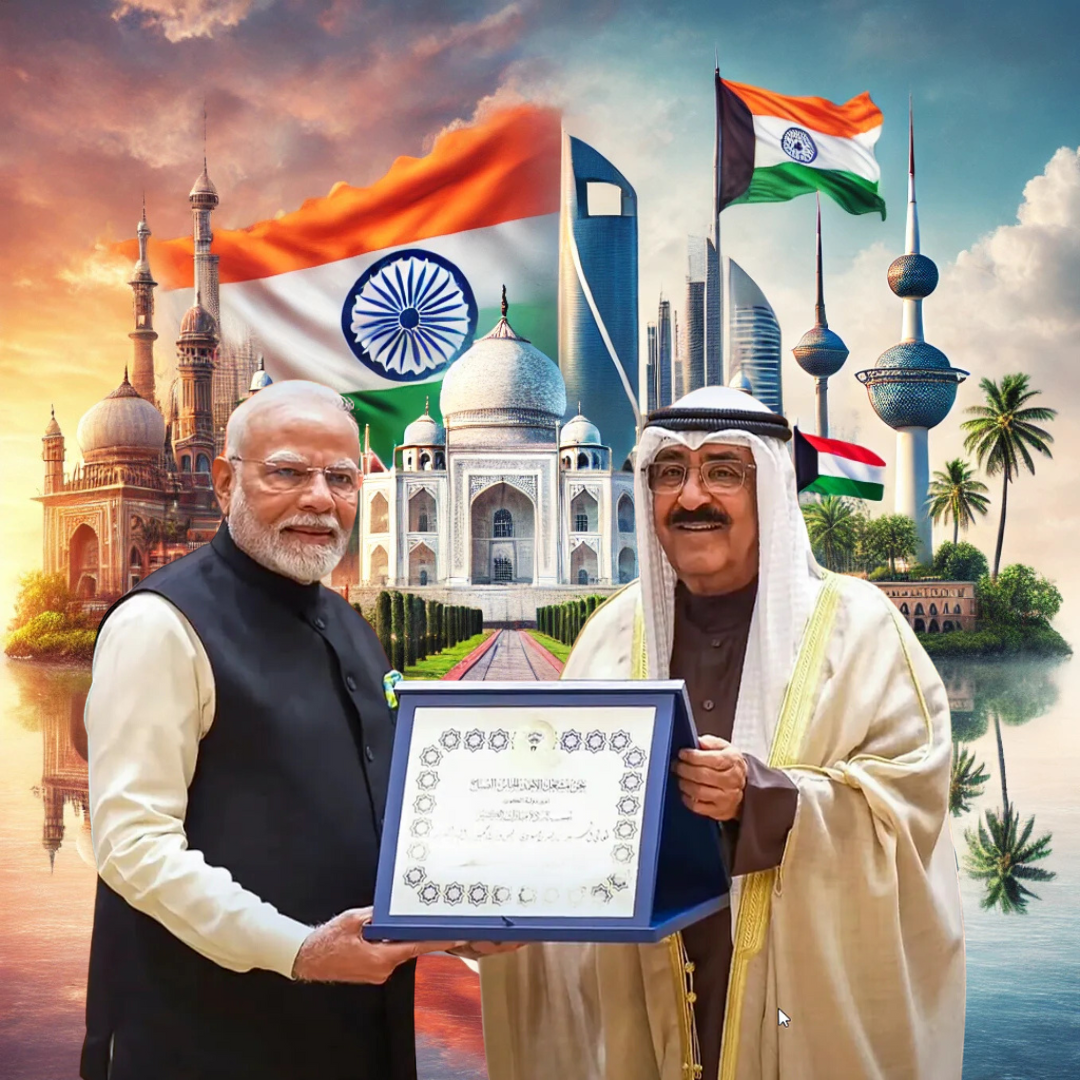
Prime Minister Modi’s Landmark Visit Prime Minister Narendra Modi’s visit to Kuwait on December 21-22 marks a historic moment in India’s West Asia strategy. This is the first visit by an Indian Prime Minister to Kuwait since Indira Gandhi’s trip in 1981, ending a 43-year gap. Postponed earlier due to the COVID-19 pandemic, the visit is an opportunity to strengthen ties and redefine relations with Kuwait, a key member of the Gulf Cooperation Council (GCC) and a significant player in the Middle East. Why Kuwait Matters for India Geopolitical Importance: Kuwait holds a pivotal position in the Gulf, bordered by Iraq and Saudi Arabia, and hosts critical American military bases. Its neutral stance and role as a mediator in regional conflicts make it a valuable partner for fostering Middle East stability. For India, closer ties with Kuwait can enhance its influence in the Gulf region and complement its partnerships with Saudi Arabia and the UAE. Energy & Economic Ties: Kuwait, with the fourth-largest sovereign wealth fund globally ($924 billion), is a major oil supplier to India, meeting about 3% of its crude oil needs. However, the relationship has the potential to go beyond energy. Collaborations in renewable energy, infrastructure, and trade can take economic ties to the next level. Addressing Challenges Indian Diaspora: With around one million Indians in Kuwait forming the largest expatriate group, labor rights remain a concern. Addressing issues like exploitation and poor living conditions requires diplomatic efforts to ensure worker protection. Learning from Others: Philippines: Successfully negotiated labor agreements to safeguard its workers. Japan: Integrated energy and technology partnerships with Gulf nations. India can adopt similar strategies to balance economic interests with humanitarian goals. Opportunities for Growth Economic Collaboration: Kuwait’s ‘Vision 2035’ aims to diversify its economy beyond oil. India can contribute through: Infrastructure development. Establishing IITs, IIMs, and modern healthcare facilities. Collaborations in renewable energy through initiatives like the International Solar Alliance. Defense & Space: Modernizing Kuwait’s military infrastructure offers a chance for India to expand defense exports and training. Space technology partnerships, including satellite launches, can further deepen ties. A New Era of Cooperation Prime Minister Modi’s visit is poised to open a golden chapter in India-Kuwait relations. By addressing labor challenges, fostering economic partnerships, and exploring emerging areas like renewable energy and defense, the two nations can build a dynamic and sustainable relationship. This visit signals a shared commitment to mutual growth and regional stability, ushering in a future of enhanced collaboration.